


Ford Transit vs. the Competition
The 2026 Ford Transit: A Benchmark in Commercial Van Utility
The 2026 Ford Transit reinforces its position as a dominant force in the commercial van segment, offering unparalleled versatility and robust performance for various business applications. Engineered to meet diverse operational demands, this full-size van provides a foundational platform for countless upfit possibilities, from cargo delivery to passenger transport. Its comprehensive range of configurations, including multiple roof heights, wheelbases, and body lengths, allows businesses to tailor the vehicle precisely to their needs. Advanced safety features and intelligent driver-assist technologies are integrated to enhance operational security and driver confidence. This model continues to set industry standards for adaptability and efficiency in demanding work environments.
- Powerful and efficient engine options
- Extensive customization for diverse vocations
- Advanced driver-assist technologies
Comparing the Ford Transit to the 2026 Ram ProMaster
When evaluating the 2026 Ford Transit against the 2026 Ram ProMaster, key distinctions emerge in powertrain and chassis design. The new Ford Transit typically offers a choice of potent gasoline engines, including a naturally aspirated V6 and a turbocharged EcoBoost V6, delivering robust towing and hauling capabilities. In contrast, the ProMaster primarily utilizes a front-wheel-drive platform with a single V6 engine option, which can simplify maintenance but may limit traction in certain conditions. The Transit’s rear-wheel-drive or available all-wheel-drive configurations often provide superior dynamics and payload distribution, particularly for heavier loads. Furthermore, the Transit’s unibody construction is engineered for durability and integrates seamlessly with various upfit solutions, showcasing its adaptable architecture.
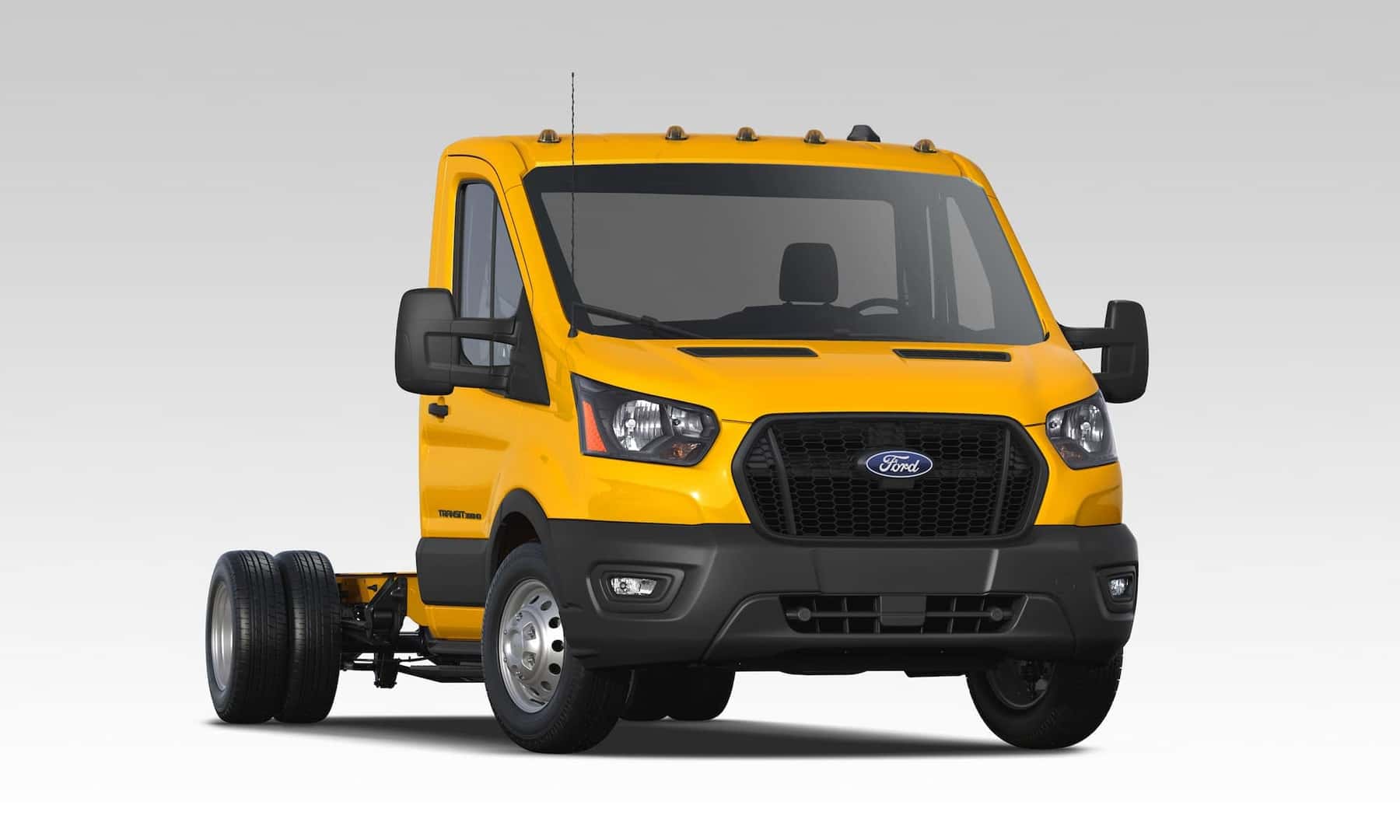
The 2026 Ford Transit vs. the Mercedes-Benz Sprinter
Pitting the 2026 Ford Transit against the 2026 Mercedes-Benz Sprinter reveals differences in refinement, cost, and specialized features. The Sprinter is often lauded for its premium interior materials and advanced connectivity options, reflecting its European luxury pedigree, though this typically comes at a higher initial purchase price. Conversely, the Transit focuses on pragmatic utility and long-term operational cost-effectiveness, providing a strong value proposition for fleets. While both offer diesel engine options for fuel efficiency, the Transit provides a broader range of gasoline powertrains which can be more appealing for certain domestic markets and operational profiles. The Transit also boasts a wider network of accessible service and parts, potentially reducing downtime for businesses operating across the United States.
Key Differentiators and Customization Potential of the 2026 Ford Transit
The 2026 Ford Transit distinguishes itself through its comprehensive lineup of body styles and advanced technological integrations designed for maximum utility. Available configurations include cargo van, passenger van, cutaway, and chassis cab variants, providing unparalleled flexibility for custom applications. Ford’s innovative Co-Pilot360™ suite of driver-assist technologies, such as pre-collision assist with automatic emergency braking and lane-keeping system, enhances safety and reduces driver fatigue. The availability of Ford Telematics™ and Ford Pro™ Intelligence further streamlines fleet management, offering real-time data and diagnostic capabilities for optimized vehicle performance and maintenance scheduling. For additional research on current inventory and pricing, visit Murdock Ford or speak with our sales specialists.
0 comment(s) so far on Ford Transit vs. the Competition